 Atmospheric drawing test
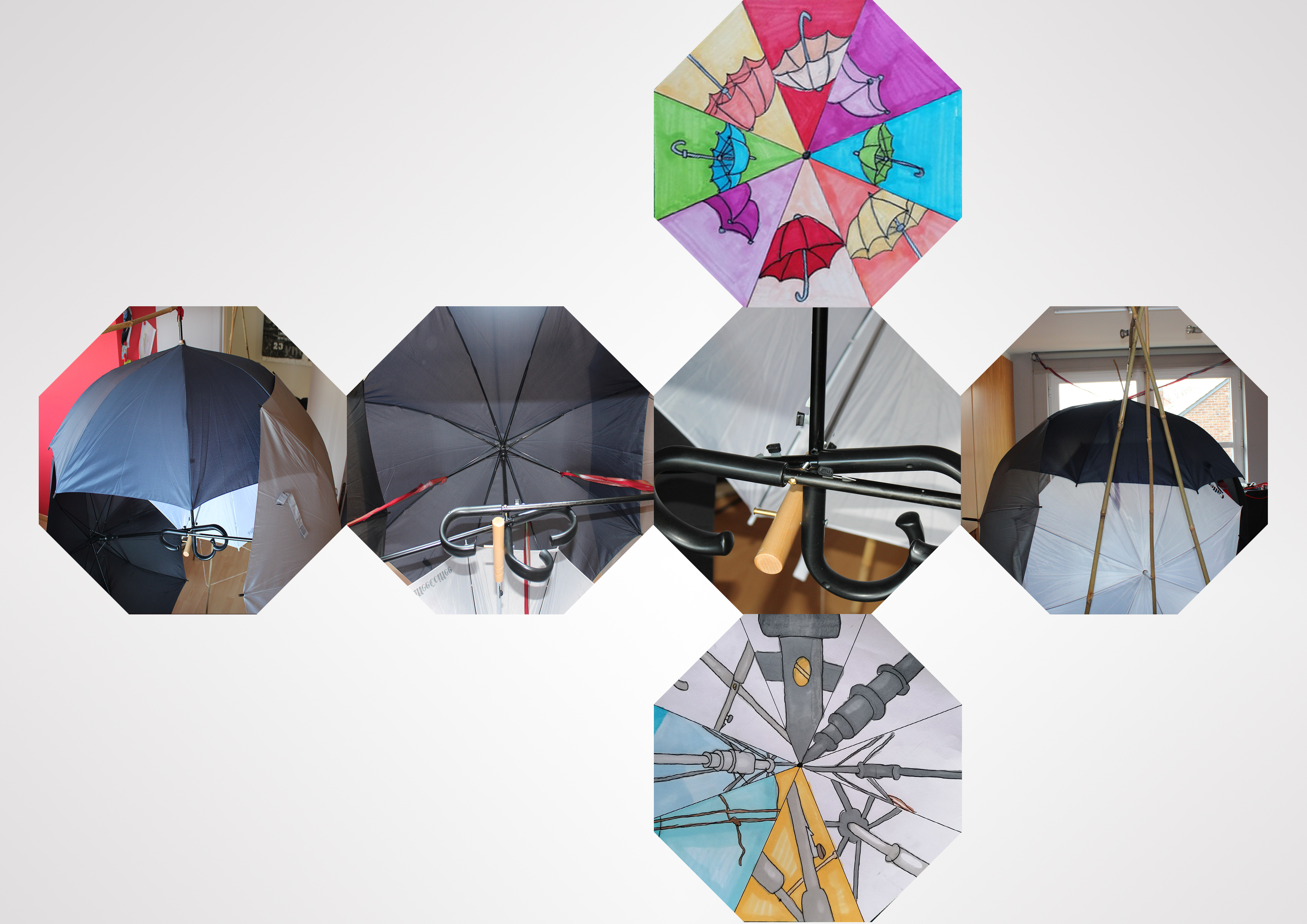 A tent in my room (Corona year)
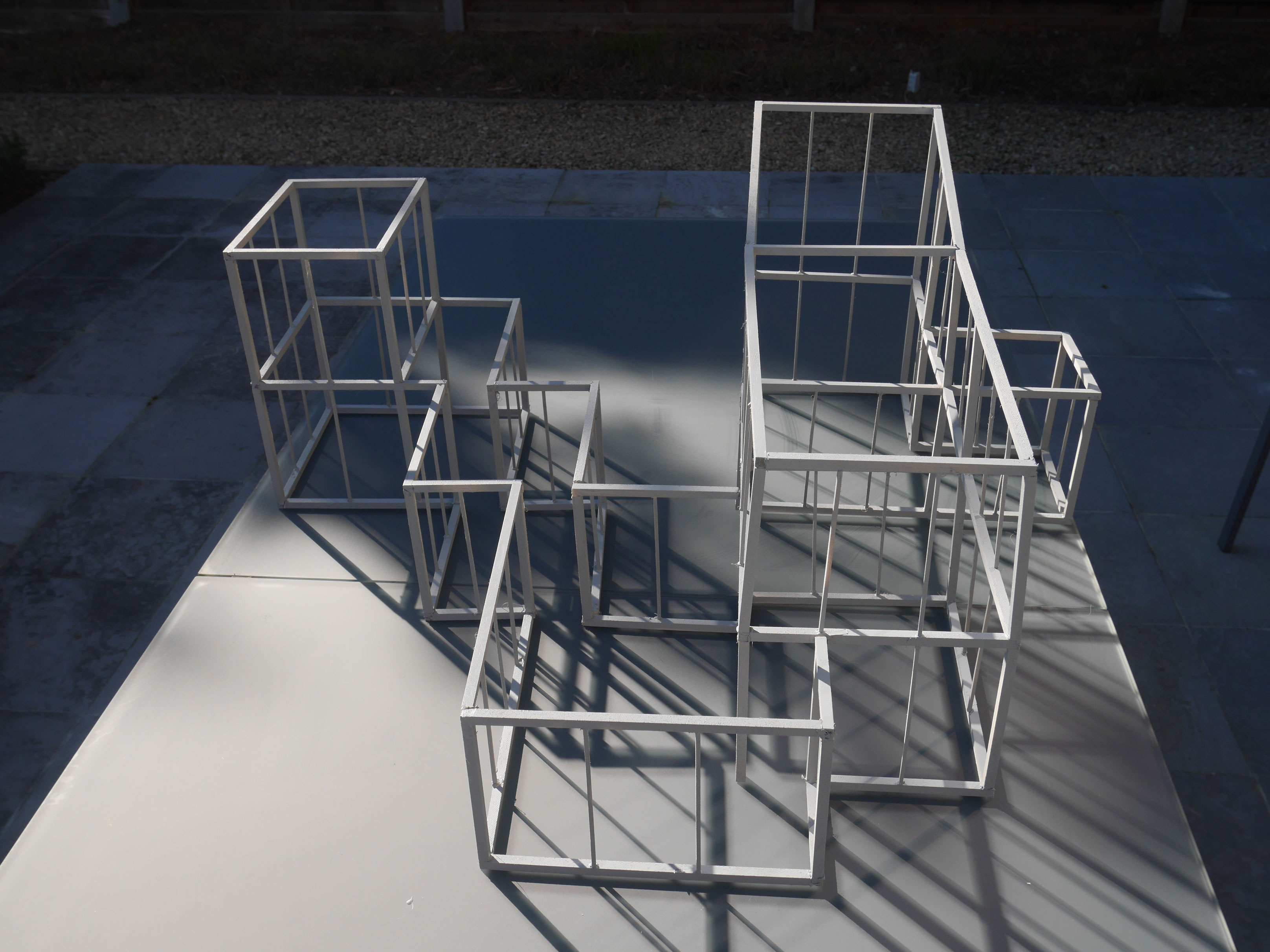 Picture of a structural model
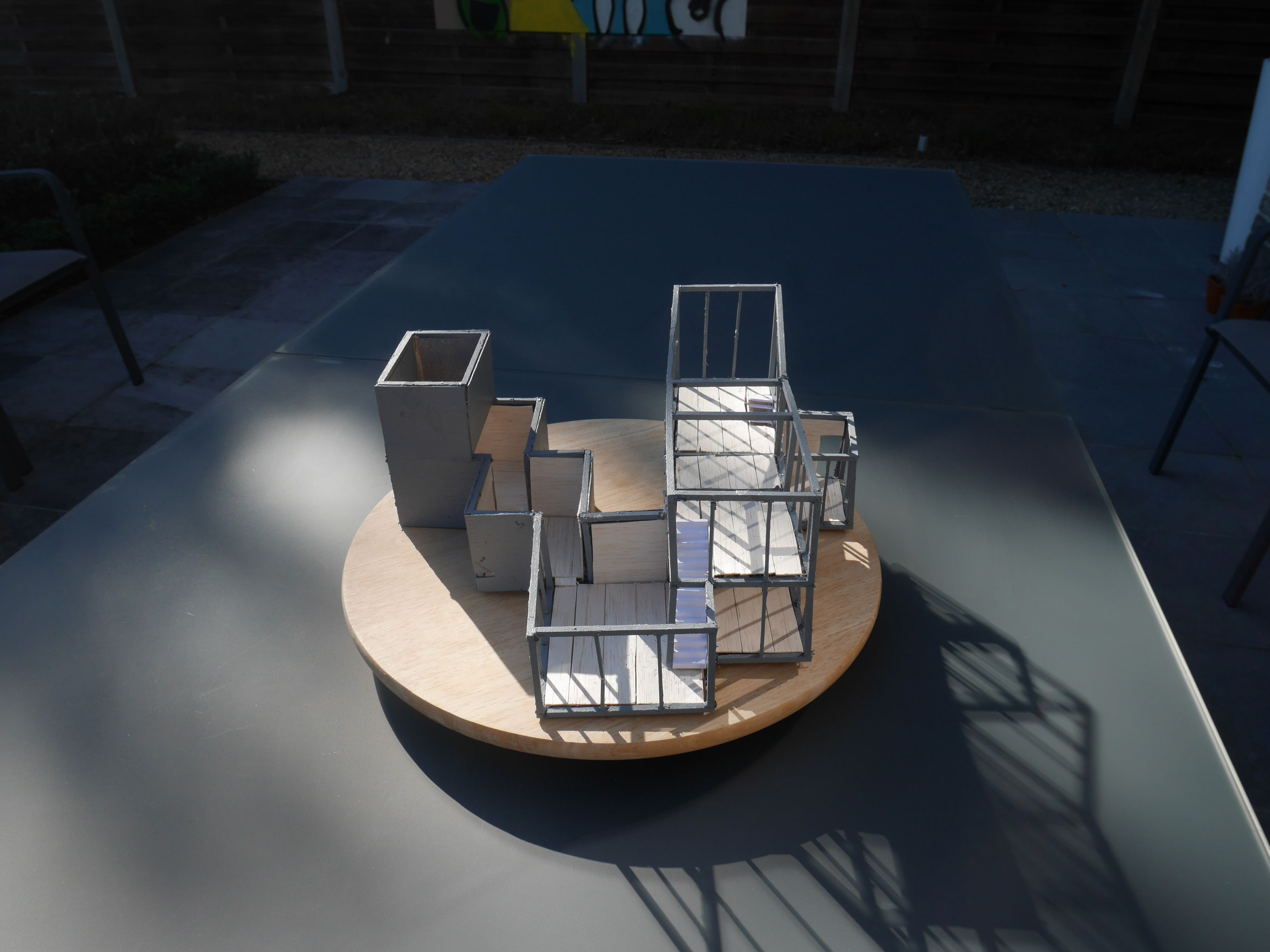 Picture of a model
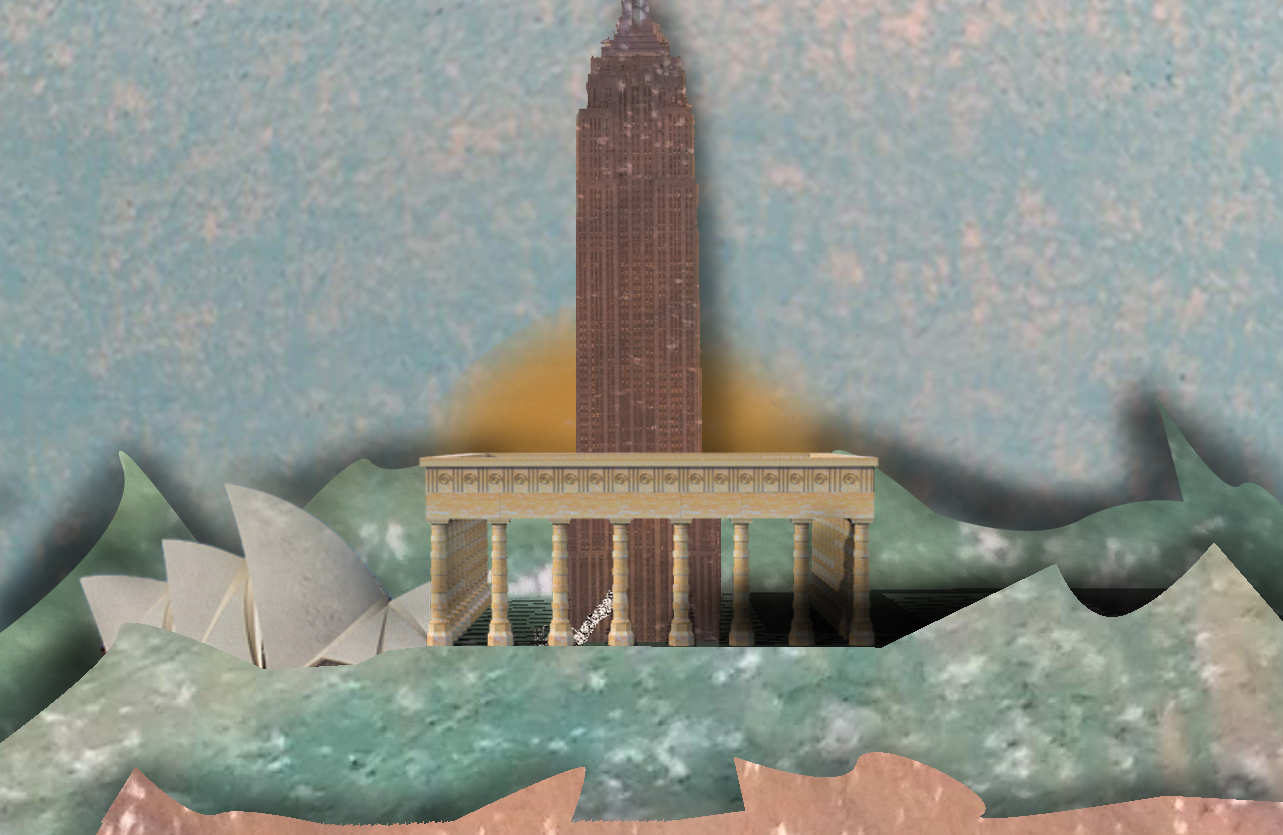 Atmospheric drawing test
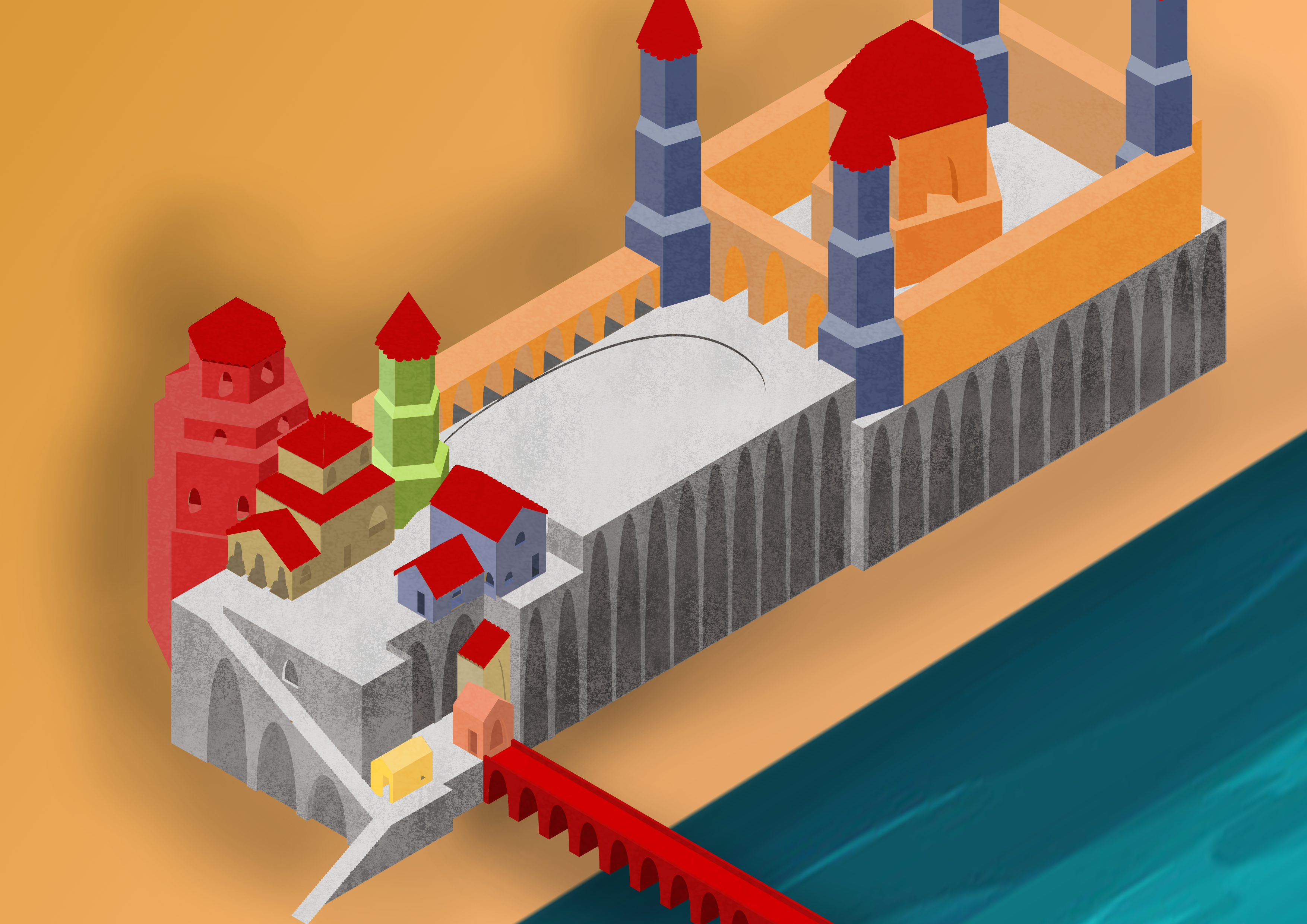
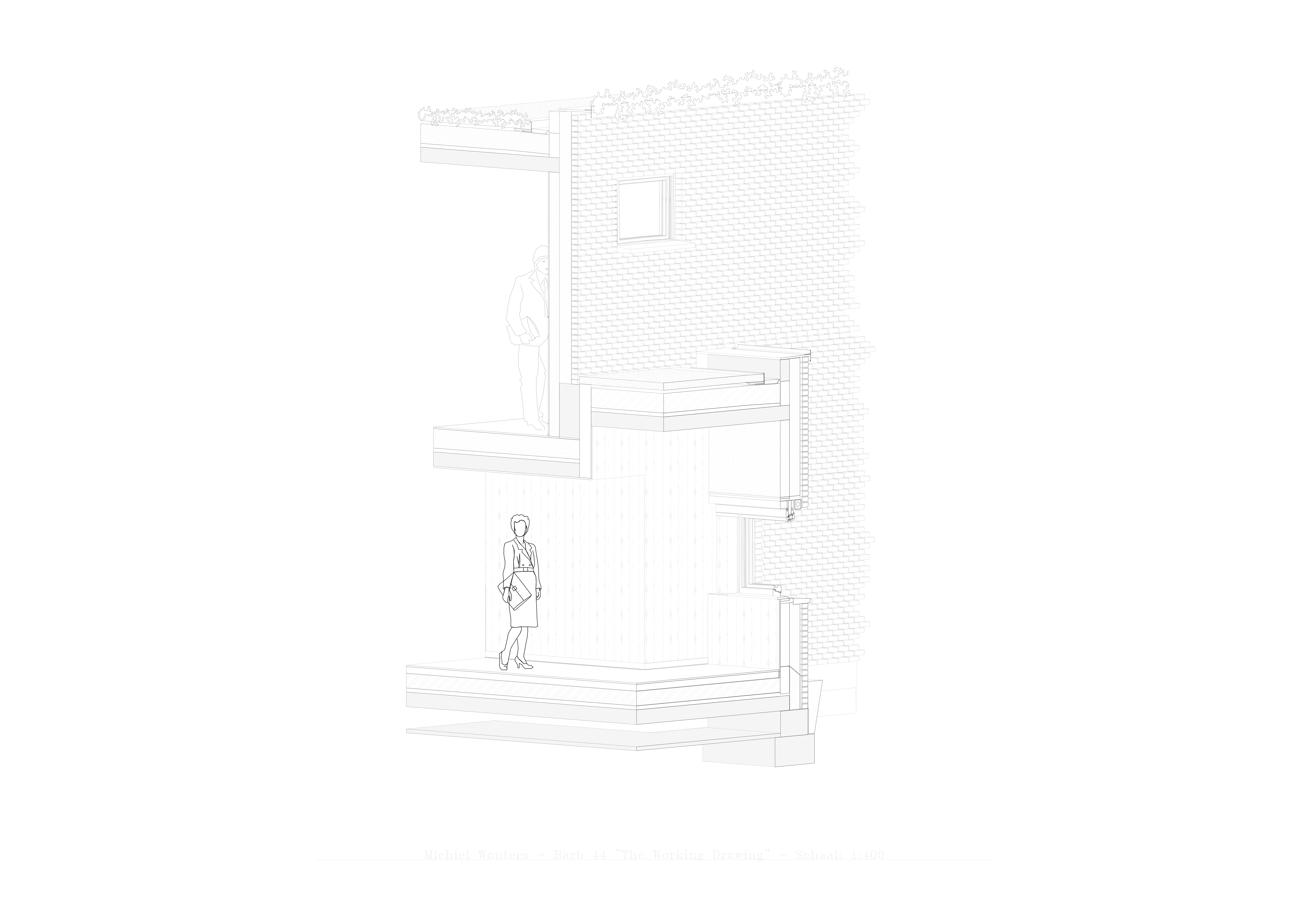 Isometric drawing
Finding Form – From Confusion to Digital Confidence
Reflective text on the early years of my bachelor’s studies at KU Leuven
Reflective text on the early years of my bachelor’s studies at KU Leuven
In the early semesters of my bachelor’s program, I struggled to find my own architectural style. This was expected since my previous schooling didn’t emphasize the arts. Suddenly, I had to express myself visually, especially in classes like Expressie, which focused on personal artistic growth. This challenge felt unfamiliar and overwhelming. In our design studios, I experimented with every medium I could think of, from hand-drawn sketches and clay sculptures to digital collages and computer-generated images.
This exploration was important, but it was not easy. I often felt confused, unsure of what worked for me or how to put my ideas into form. There wasn’t any clear direction. All I had was a desire to try, fail, and try again. Eventually, I started to favor digital tools. One of the first technical drawings I created was in AutoCAD for an elective course I selected on my own. It felt like progress, but I soon realized that AutoCAD, especially its 3D interface, didn’t fit my intuitive way of working. It seemed rigid and restrictive.
That discovery drove me to look for other software, and that’s when I found Rhino. Its flexibility and accuracy let me design more freely and visually, aligning with my thought process. Gradually, I began to feel more in control. The software became not just a tool but an extension of my design thinking. Learning Rhino marked a key moment for me; it gave me the confidence to build my own workflow and aesthetic language, grounded in digital drawing and modeling.
Atmospheric drawing test
A tent in my room (Corona year)
Picture of a structural model
Picture of a model
Atmospheric drawing test
Isometric drawing
michielwouters@outlook.be
+32 471 38 35 47